

Music sets the mood more than almost anything else, and it is easier to plan moment by moment than all at once.
Ceremony music
| Moment | What it does | Length |
|---|---|---|
| Prelude | Welcomes guests as they arrive | 20–30 minutes |
| Processional | Brings the wedding party in | One song |
| Entrance | The final walk down the aisle | One song, often instrumental |
| Signing or ritual | Fills a quiet moment | A short piece |
| Recessional | Celebrates the newly married couple | Upbeat, one song |
Reception music
- Cocktail hour: relaxed and conversational — acoustic sets, jazz or soft covers.
- Grand entrance: something joyful the room recognizes.
- Dinner: background volume so people can talk.
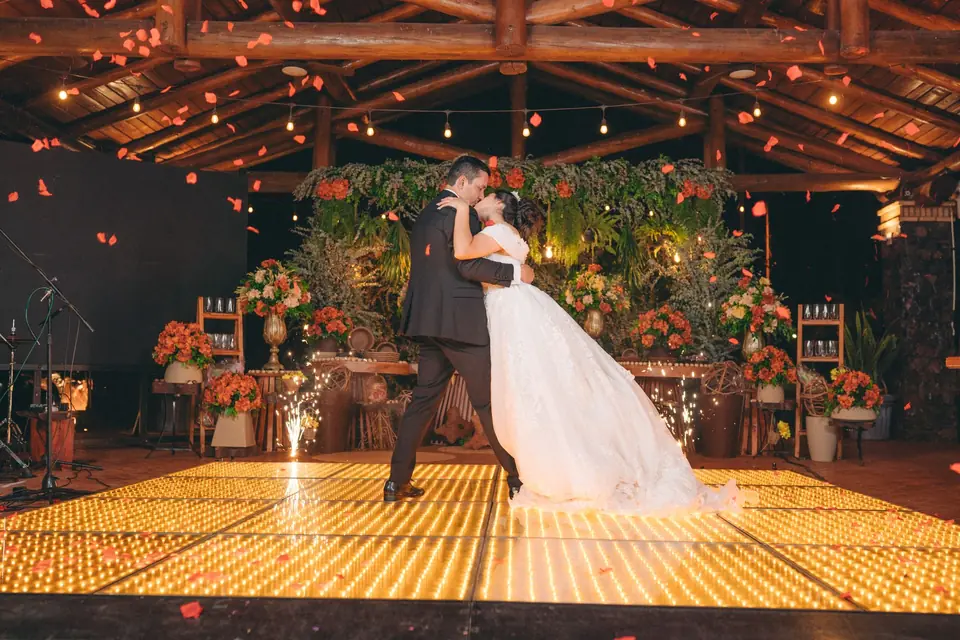
- First and parent dances: meaningful songs, edited to a sensible length.
- The party: what gets your guests dancing, from every generation.
- Last dance: a song you want to end on.
Band, DJ or playlist?
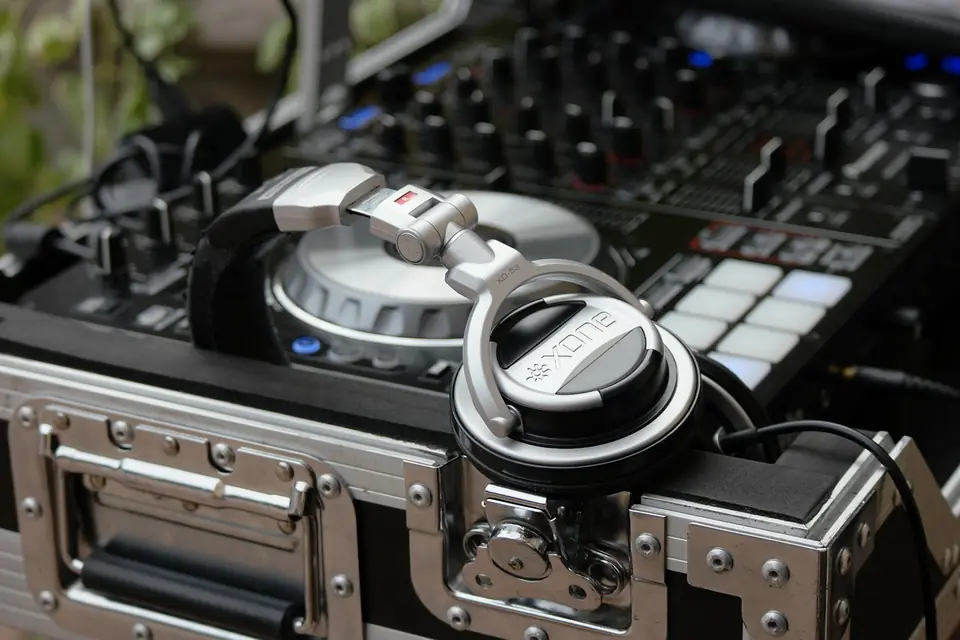
A band brings energy and presence; a DJ brings range, flexibility and usually lower cost; a playlist works for small weddings with good speakers and one person in charge. Whoever you choose, ask who acts as the MC and announces each moment.
Cultural music
A mariachi band, a gospel choir, a bagpiper, a hora at a Jewish wedding or a second-line brass band — book specialists early and give them a clear time in the schedule.
General information, not legal, medical or financial advice. Confirm details with your vendors, venue, officiant and local authorities.
Questions people ask
How many songs do you need for a wedding ceremony?
Usually 20–30 minutes of prelude, plus one song each for the processional, the entrance and the recessional.
Should we hire a band or a DJ?
Bands bring live energy; DJs bring range and usually cost less. Watch real performance videos and ask who will MC.
How long should a first dance be?
Two to three minutes is plenty. Ask your DJ to fade or edit a longer song.