

Skip to content
Free guides and 18 planning tools for every stage of your weddingExplore the tools
THE WEDDINGBLUEPRINT
Ebook shop

Wedding dress guide: The dress guide, without the pressure.

Silhouettes, necklines, fabrics, lace, trains and veils explained — plus when to shop, what to bring, alterations and affordable options.

There is no “right” dress for a body type. There is the dress you feel like yourself in, that you can move, sit, eat and dance in, and that suits the place you’re getting married. Learn the vocabulary, try a few shapes you wouldn’t have picked, and leave room in the schedule for alterations.

The wedding · 08 8 in-depth articles 3 free tools 6 answered questions
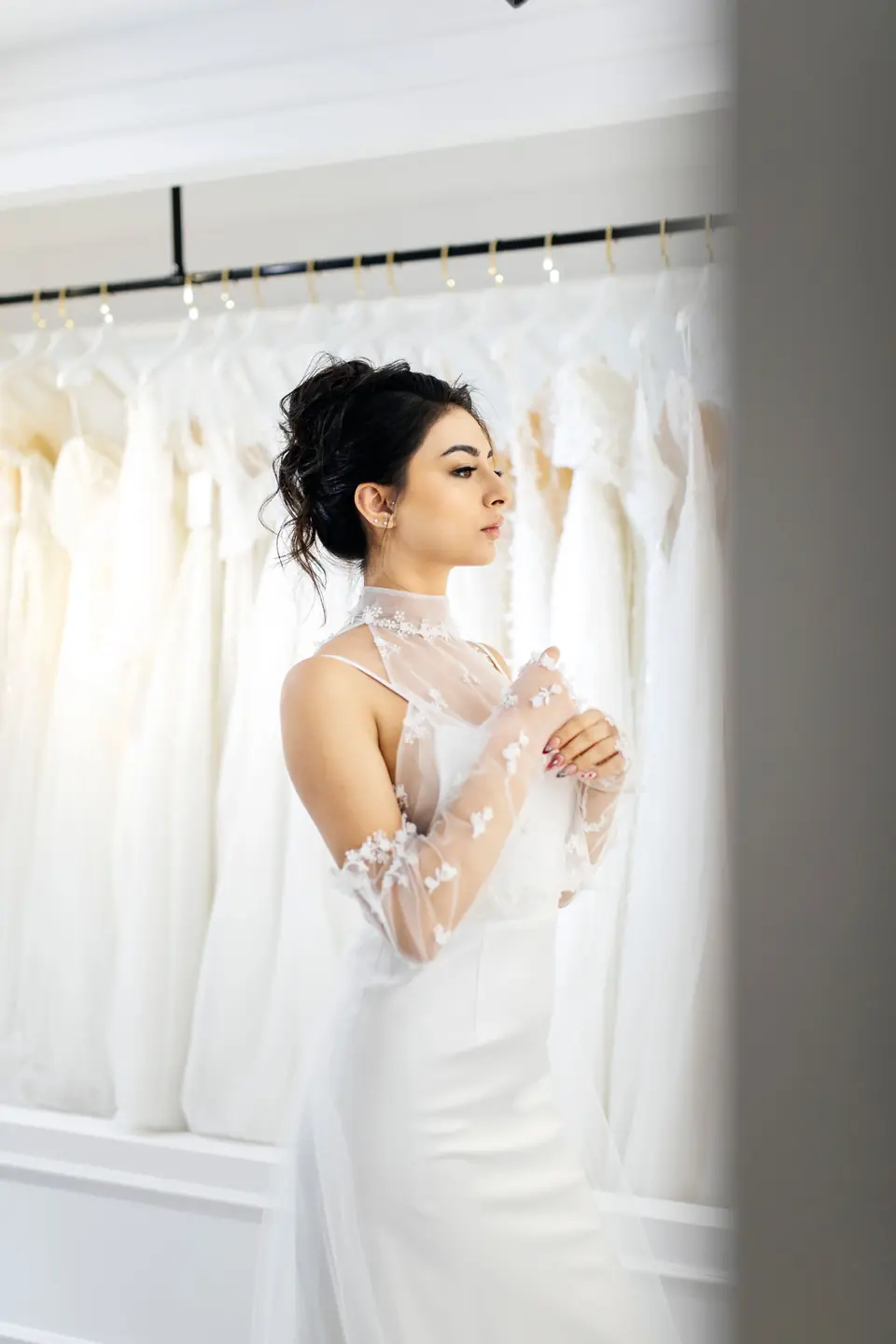
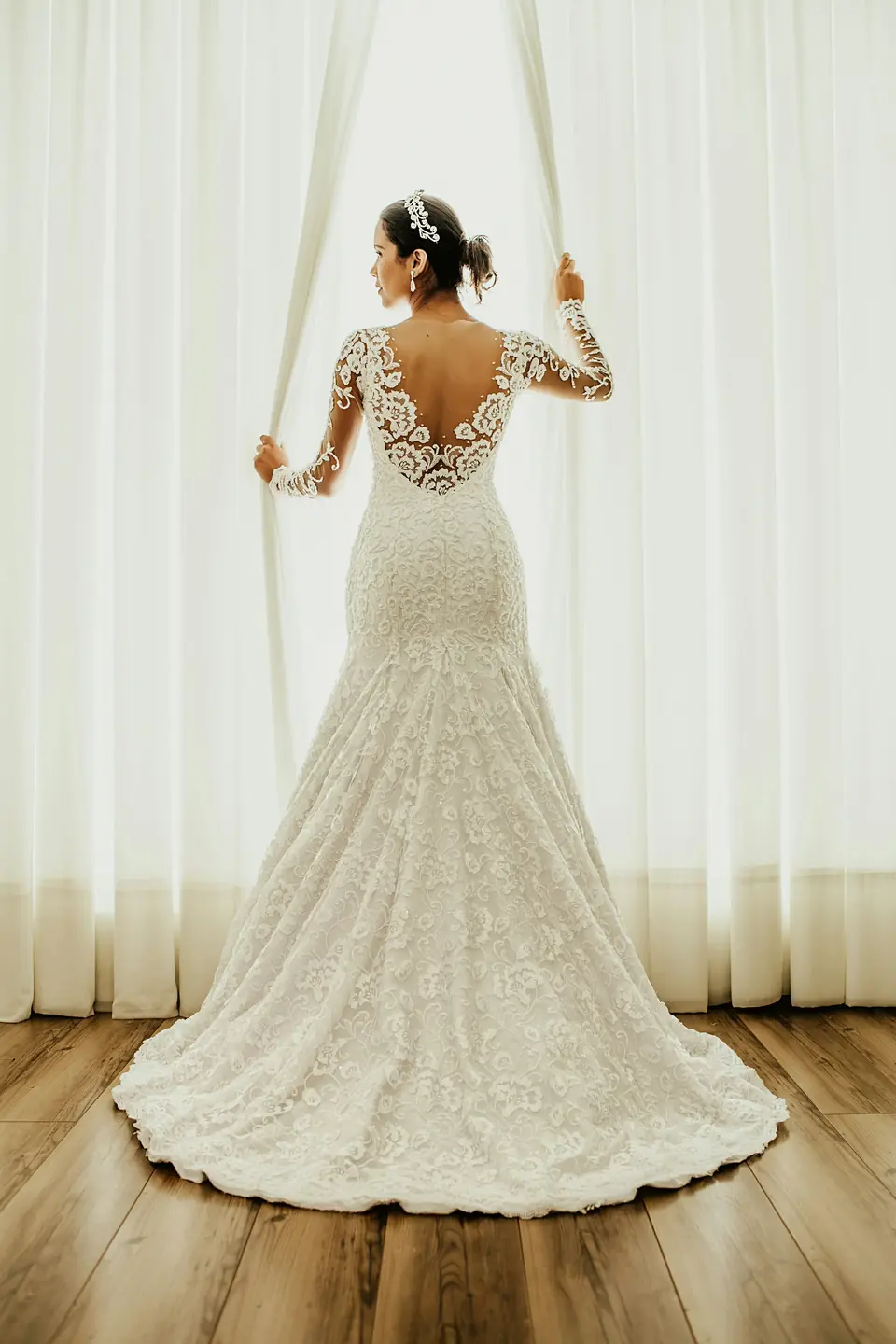
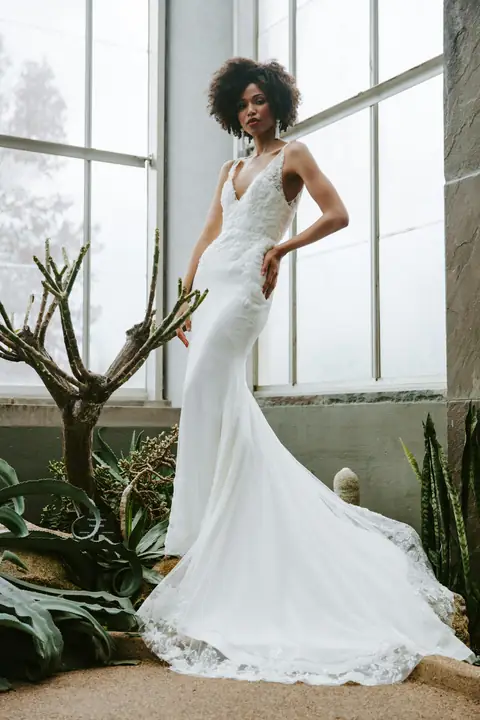
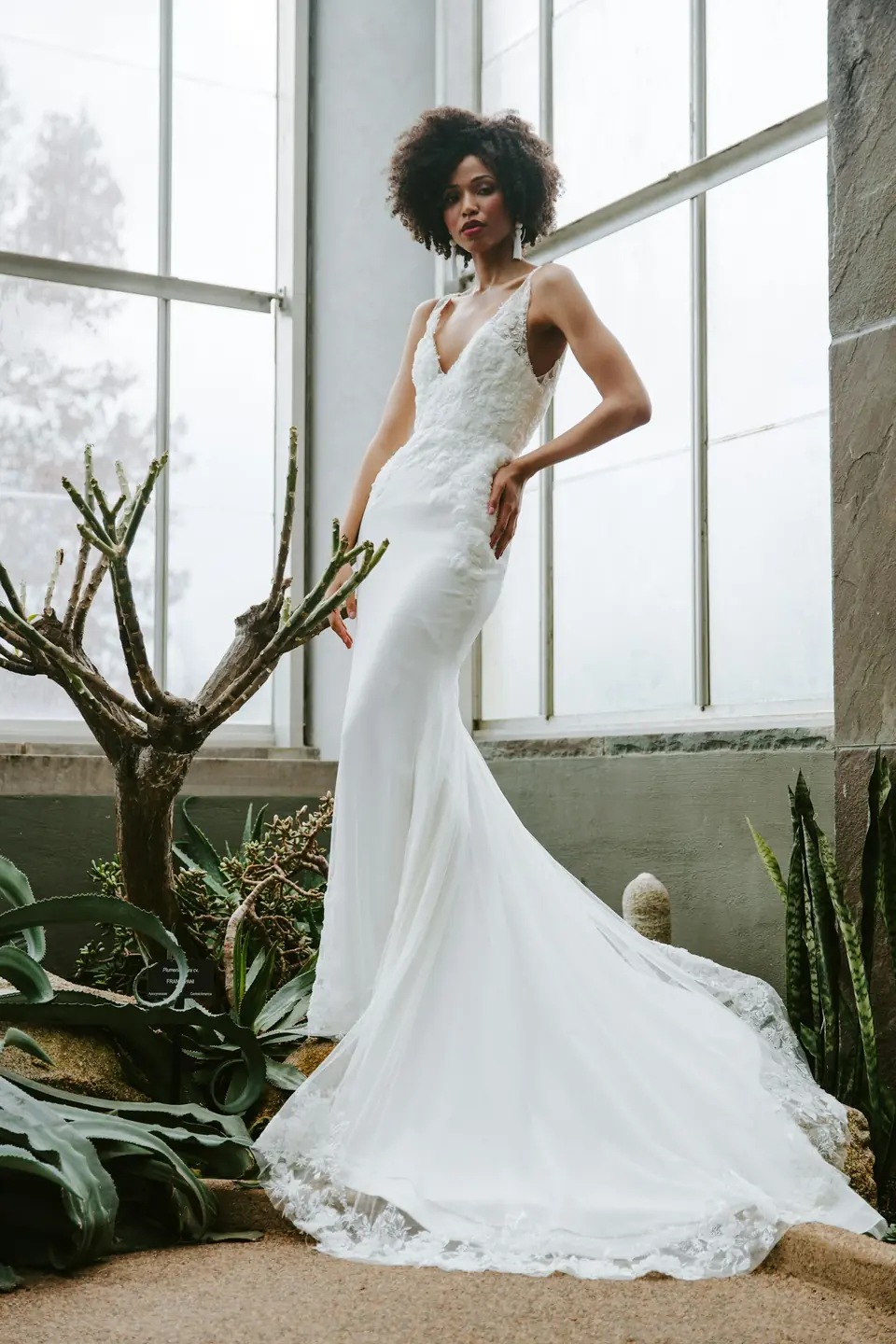
A bride in a fitted mermaid dress with a long train by tall windows
Photo · Taylor Heery / Unsplash

When should I start dress shopping?

About 9–12 months before. Many made-to-order gowns take 4–6 months to arrive, and alterations need another 2–3 months.

What does the average wedding dress cost?

About $2,100 in The Knot’s 2026 study. Sample sales, consignment, rental and ready-to-wear dresses cost far less.

How many fittings will I need?

Usually two or three, starting 2–3 months before the wedding. Budget for alterations separately.

Who should I bring shopping?

One to three people whose opinion you trust and who will be kind. More voices usually mean more confusion.

The eight silhouettes

The silhouette is the overall shape of a dress. Try at least three, including one you think you won’t like.

SilhouetteThe shapeWorth knowing
A-lineFitted bodice, skirt flares gently from the waistEasy to walk, sit and dance in; works almost anywhere
Ball gownFitted bodice, very full skirtDramatic and formal; heavier, needs space and a good bustle
MermaidFitted to the knee, then flaresStriking; walking and sitting take practice
Trumpet / fit-and-flareFitted to mid-thigh, then flaresMermaid drama with more movement
Sheath / columnStraight, follows the bodyLight and modern; great for city, beach and courthouse
EmpireHigh waist just under the bustComfortable, flowing; often chosen by pregnant brides
Tea-lengthHem between knee and ankleRelaxed, vintage feel; shows off shoes
Jumpsuits & separatesTop and skirt or trousersMix, match, and wear the pieces again

Not sure where to start? The dress silhouette finder asks about your venue, season, and how you want to feel, then suggests shapes to try. The full guide: wedding dress silhouettes explained.

Necklines, sleeves and backs

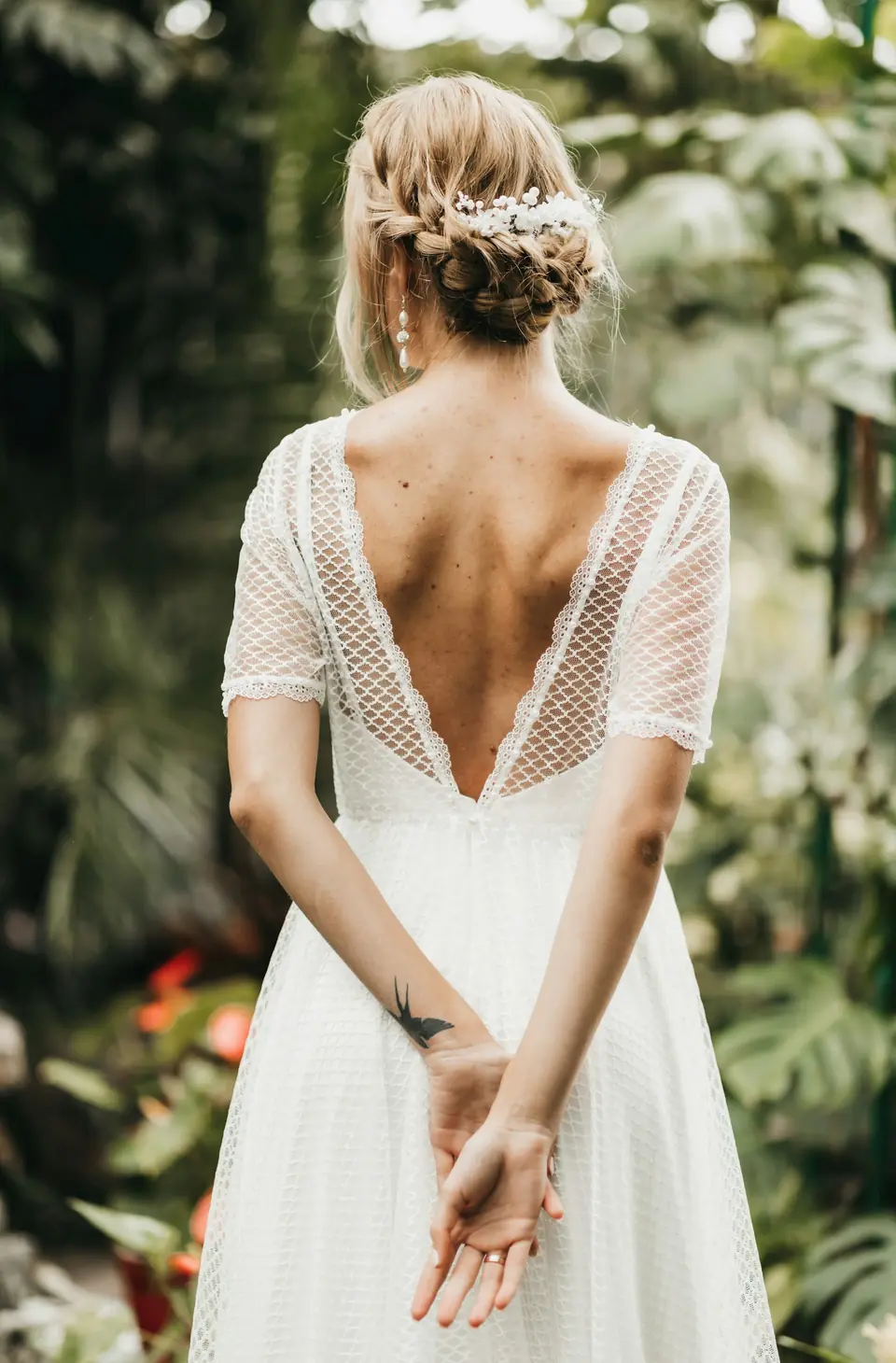
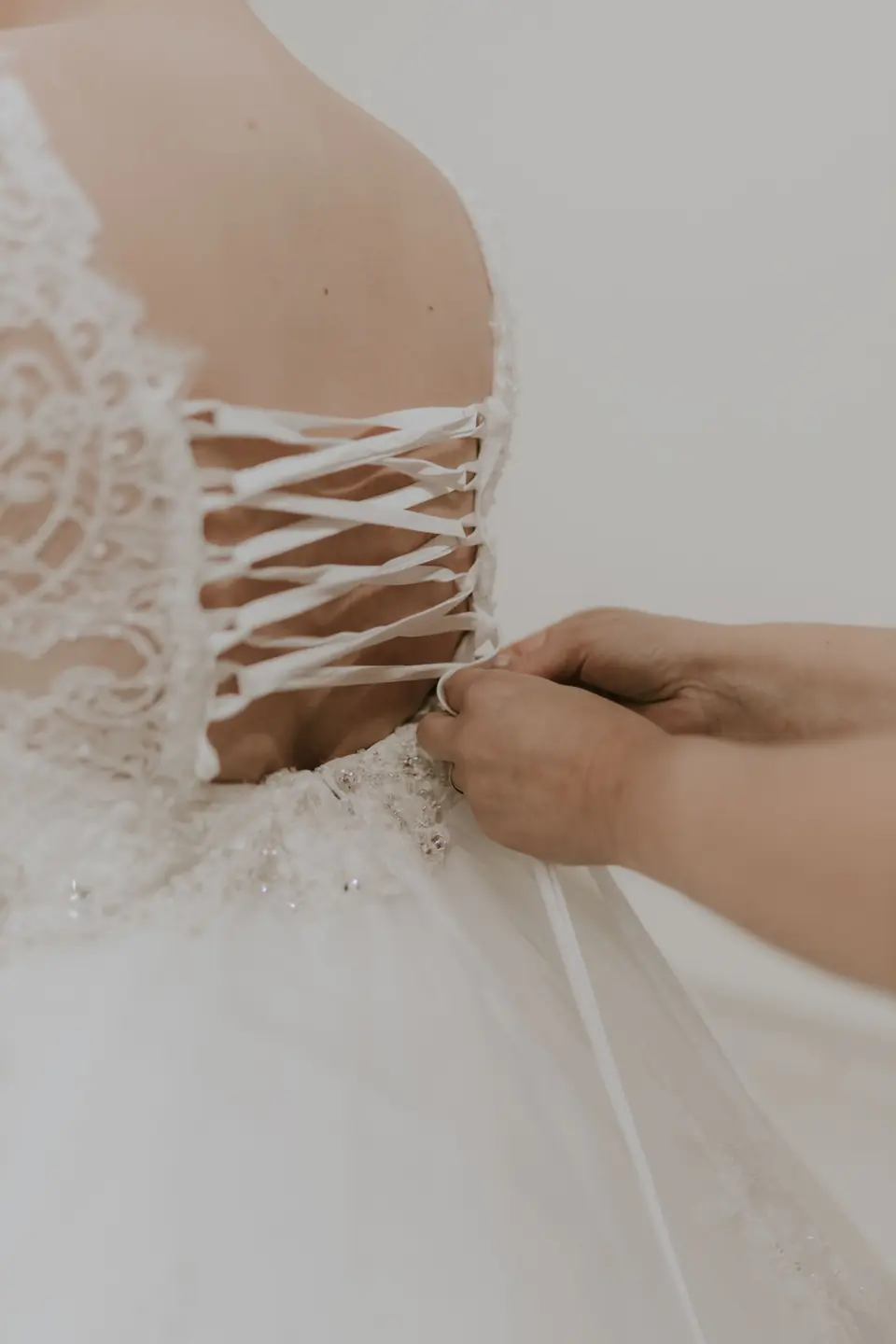
Sweetheart, V-neck, off-the-shoulder, square, halter, bateau, high neck and illusion necklines each change the feel of a dress more than you’d expect. Sleeves — cap, puff, long lace, detachable — are back in a big way, and open, corset and button backs are what guests see for the whole ceremony. See necklines, sleeves and backs.

Fabrics and lace in plain English

  • Satin and mikado: structured, smooth, a soft sheen. Holds shape; can crease.
  • Crepe: matte and fluid, clean lines, forgiving to move in.
  • Tulle and organza: light layers, airy volume, romantic.
  • Chiffon: soft and floaty — perfect for heat and beaches.
  • Chantilly lace: fine and delicate. Alençon: corded outlines. Guipure: heavier, graphic motifs.

The shopping timeline

WhenWhat happens
9–12 months beforeResearch, then book 2–4 appointments
8–10 monthsOrder a made-to-order gown
3–4 monthsBuy shoes and underlayers before fittings
2–3 monthsFirst fitting
3–6 weeksSecond fitting; learn the bustle
1–2 weeksFinal fitting and collection or delivery

Our dress shopping guide covers what to wear, what to bring and how to know. The alterations guide explains costs and fittings.

Veils, trains and the practical bits

Veil lengths run from a short birdcage to a cathedral veil that trails well behind you. Trains need a bustle for the reception; practice it with the person who’ll do it on the day. Read the veil guide.

Your dress plan at a glance

WhenStep
9–12 monthsBook two to four appointments; try different silhouettes
8–10 monthsOrder, with delivery date and alteration estimate in writing
4–6 monthsShoes, underlayers, veil and accessories
2–3 monthsAlterations begin: two or three fittings
1–2 weeksFinal fitting and bustle lesson with your helper

Not sure where to start? The dress silhouette finder suggests three shapes to try first.
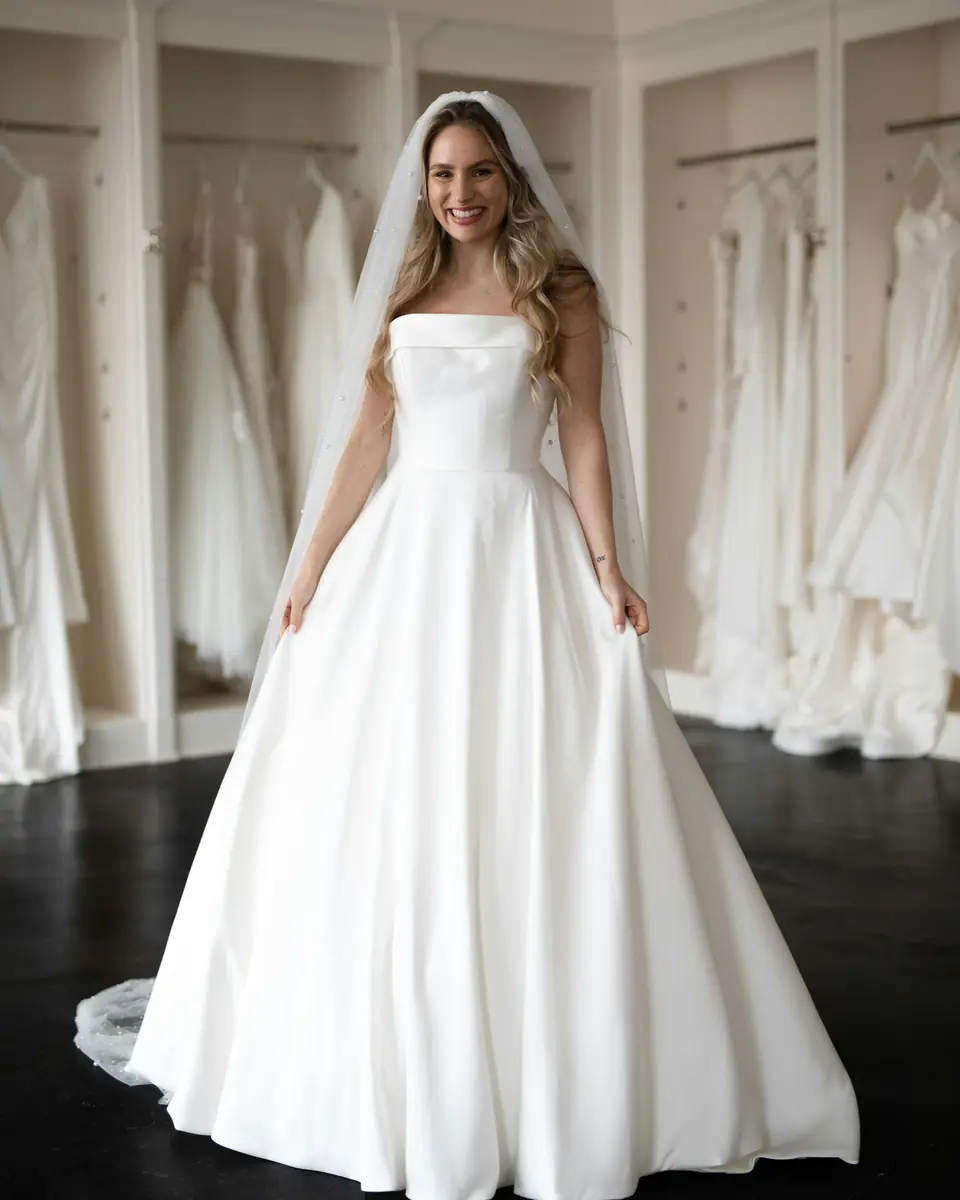
A bride in a satin A-line dress in a bridal salon
Photo · Jarvis Couture Bridal & Prom Tyler TX / Unsplash
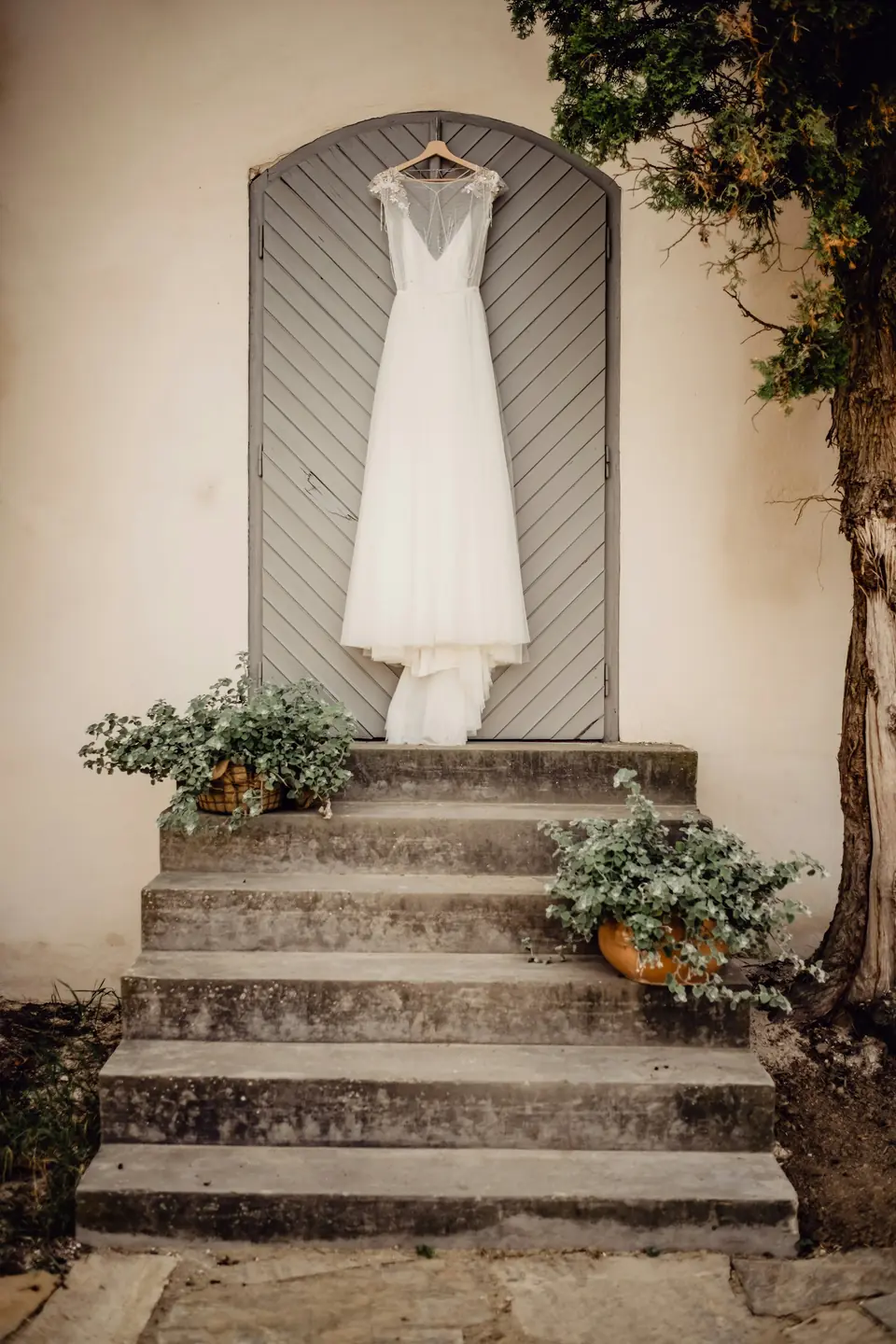
A wedding dress hanging in an archway above stone steps and potted plants
Photo · Victoria Priessnitz / Unsplash
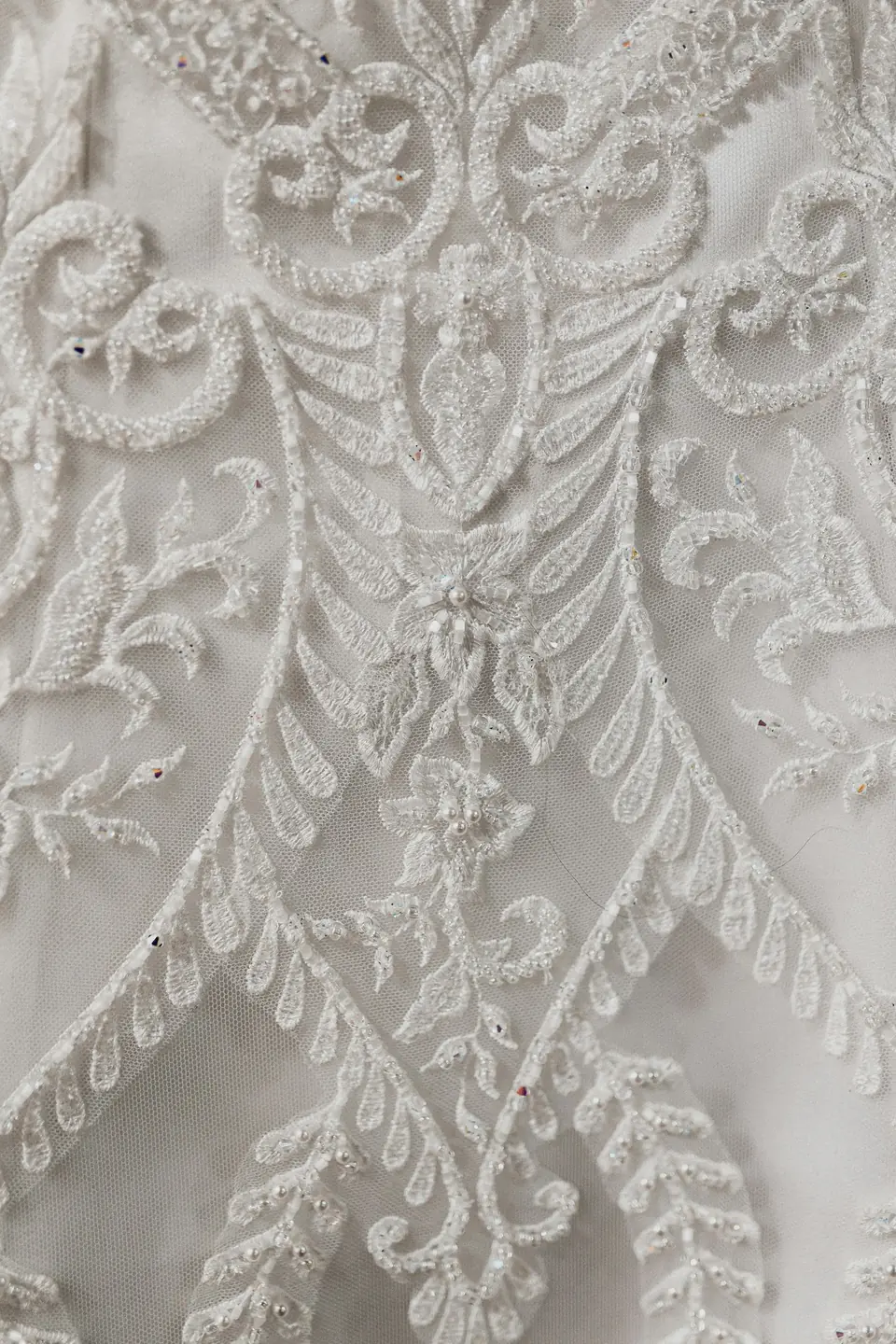
Close-up of beaded lace embroidery on a wedding dress
Photo · Vitor Monthay / Unsplash
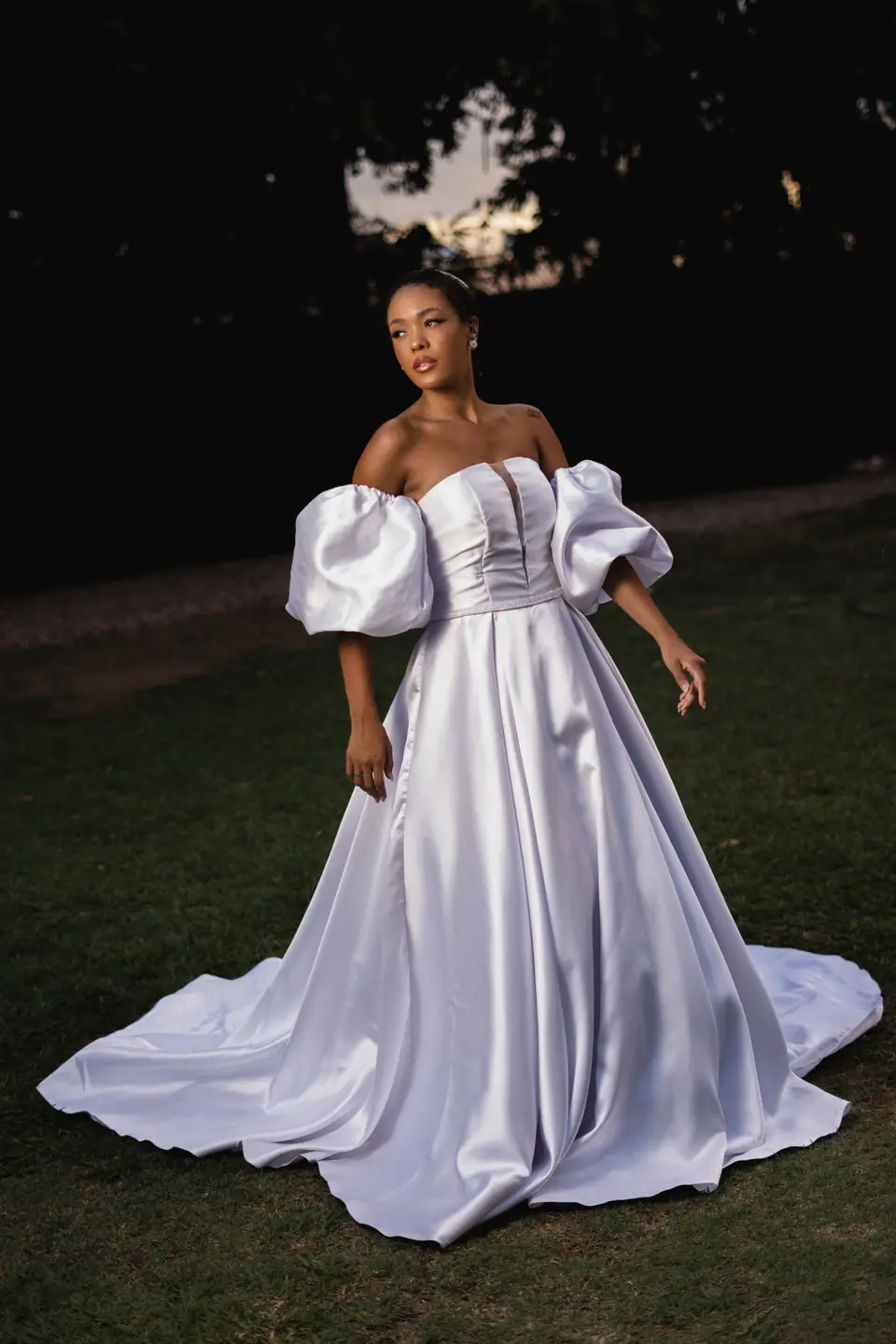
A bride in a satin ball gown with puff sleeves at night
Photo · pedro furtado / Pexels

Wedding dresses

Go deeper on wedding dresses.

See them in the journal

Questions about wedding dresses

Asked and answered.

More in our full questions and answers.

What wedding dress style suits my body type?

Any silhouette can work on any body; what matters is comfort, proportion and how you feel. Try an A-line, a fitted style and something unexpected, then compare photos from the front, side and back.

How long do wedding dress alterations take?

Plan on two to three months with two or three fittings. Rush alterations are sometimes possible for a fee.

How much do wedding dress alterations cost?

It depends on the dress and the work: hemming layered skirts, adding a bustle and taking in a bodice can add up to several hundred dollars or more. Ask for a written estimate.

Can I wear a colored wedding dress?

Of course. Blush, champagne, blue, black and prints are all popular. Zola found 39% of 2026 couples using white in their palette — so plenty aren’t.

What should I wear to a dress appointment?

Neutral seamless underwear, a strapless bra if you have one, shoes with a similar heel height to what you plan to wear, and your hair roughly how you might style it.

How much should I spend on a wedding dress?

Whatever fits your total budget. The Knot’s 2026 study reported an average of about $2,100, but beautiful dresses are available at every price, especially through sample sales, secondhand and ready-to-wear.

The planning letter

One calm, useful email at a time.

A short note for your planning season: one idea worth knowing, one tool to try, and a reminder of what matters this month. No spam, ever.

Occasional emails, easy unsubscribe. Privacy policy.

We use analytics cookies to understand how visitors use our site. Functional cookies (session and page variant) are always set. See our Privacy Policy.