

A simple order of ceremony
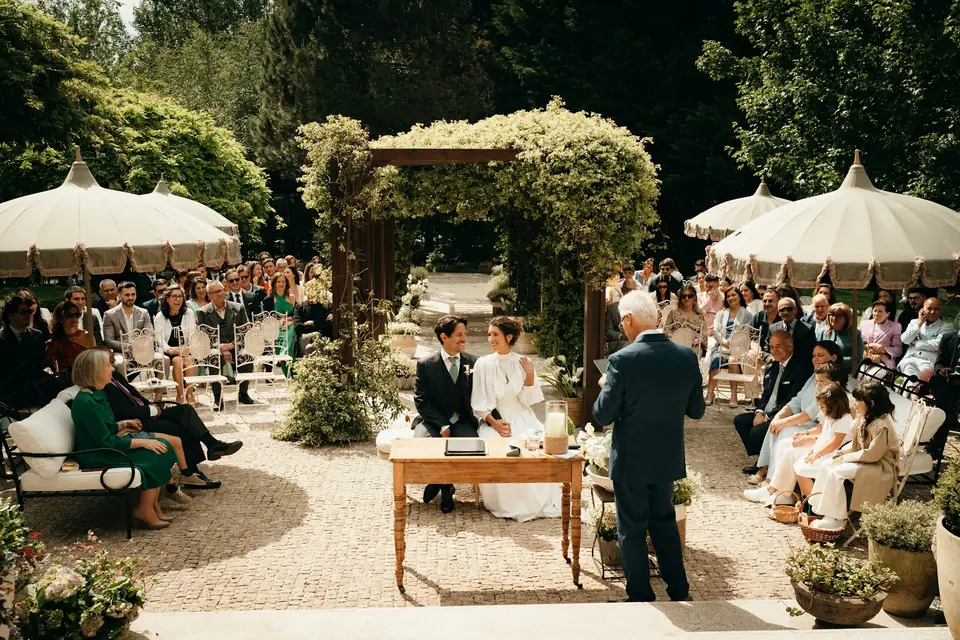
- Prelude — music as guests arrive
- Processional — the wedding party and the couple enter
- Welcome — the officiant greets guests
- Readings or music
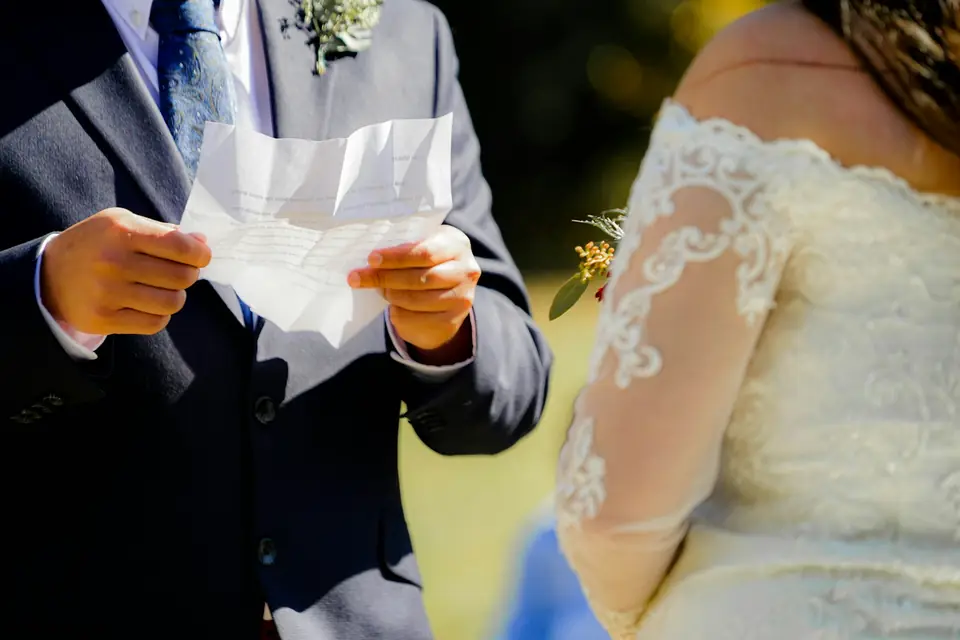
- Your story or address
- Vows
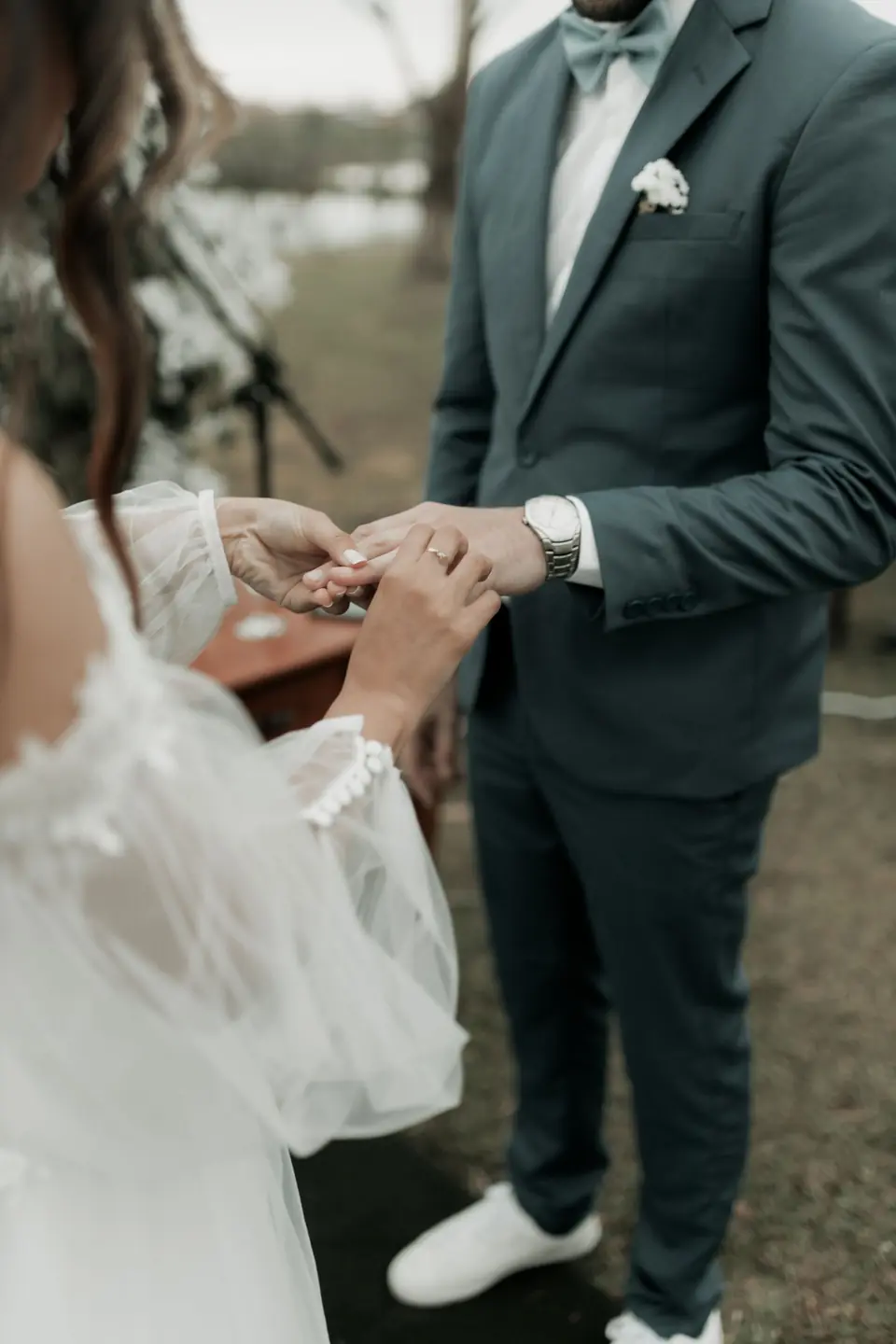
- Ring exchange
- Unity ritual (optional)
- Declaration and kiss
- Recessional — everyone leaves, joyfully
The ceremony order guide includes processional orders for Christian, Jewish, and modern ceremonies, and variations for divorced and blended families.
Vows that sound like you
The Knot’s 2026 study found 61% of couples wrote their own vows. A good structure: a memory, what you love, three or four promises (one funny, one serious), and a closing line. Read them aloud to a friend beforehand. Our vow guide has prompts and examples.
Readings and unity rituals
Readings can come from scripture, poetry, novels or a letter from someone you love. Unity rituals — lighting a candle, blending sand, handfasting, a wine box, planting a tree — symbolize two lives joining. Including children in a unity ritual is a lovely way to welcome a blended family. See wedding readings.
Traditions from many cultures
- Jewish: the chuppah (canopy), ketubah (marriage contract), circling, and breaking the glass.
- Hindu: the pheras — seven rounds around a sacred fire — and saptapadi, the seven steps.
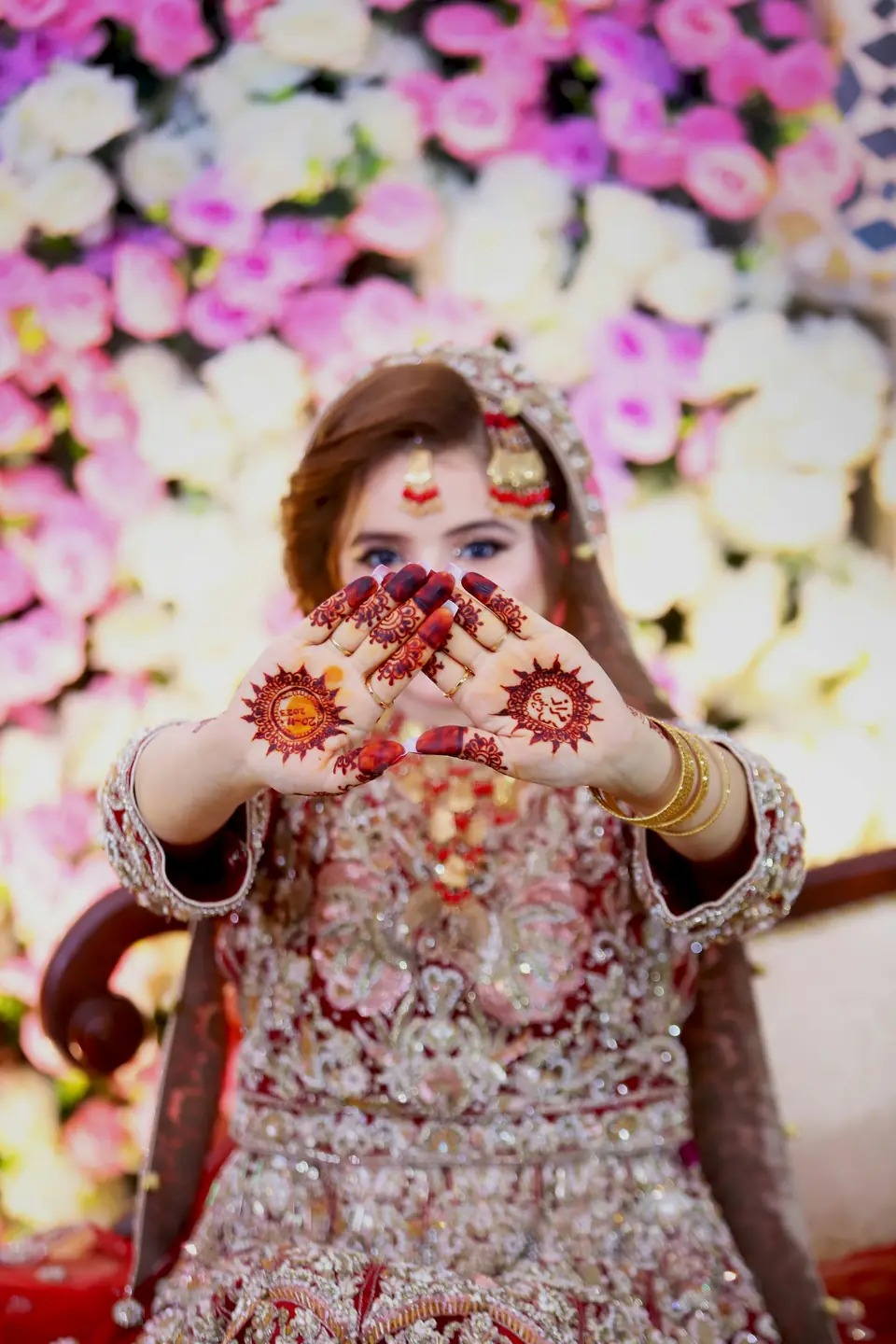
- Muslim: the nikah, with the marriage contract and the mahr (a gift to the bride).
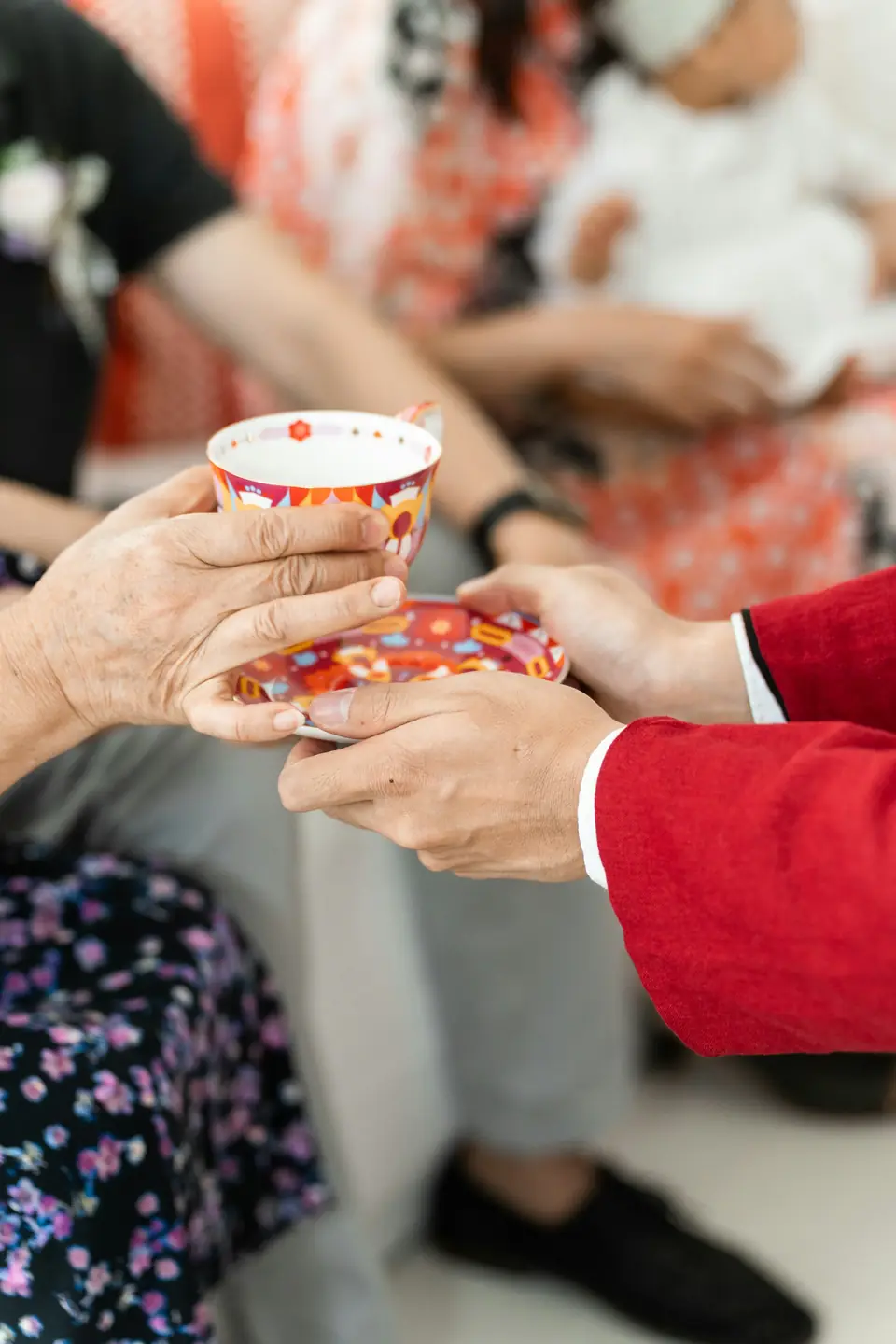
- Chinese: the tea ceremony, serving tea to elders to show respect.
- Mexican and Filipino: the lazo (a cord or rosary loop) and arras (thirteen coins).
- Scottish and Celtic: handfasting, tying the couple’s hands together.
Blending two families’ traditions is its own art. Read how to blend traditions and wedding traditions explained.
Planning the ceremony, step by step
Unplugged ceremonies
Asking guests to put phones away lets your photographer capture faces instead of screens. A sign at the entrance and a quick word from the officiant usually does it.