




Build the list in layers
Start with everyone you might invite, then sort into three groups:
- Must invite — people it would be unthinkable not to have.
- Would love — people you’d be happy to see if space and budget allow.
- Nice to have — the list you draw from only if numbers leave room.
The guest count calculator estimates how many will actually attend. Planners commonly see 75–85% of invited guests attend a local wedding, and fewer for a destination wedding.
Rules that keep the peace
- Partners: invite spouses, fiancés and live-in partners by name.
- Plus-ones: decide once (for example, wedding party only, or anyone in a relationship of a year or more) and apply it to everyone.
- Children: pick one clear policy — no kids, immediate family only, or everyone — and apply it evenly.
- Coworkers and bosses: invite all of a team or none, to avoid awkwardness at work.
- Parents’ guests: if parents are contributing, agree up front how many seats they get.
The mailing timeline
| What | When to send |
|---|---|
| Wedding website live | Before save-the-dates |
| Save-the-dates | 6–8 months before (8–12 for destination) |
| Invitations | 6–8 weeks before (about 3 months for destination) |
| RSVP deadline | 3–4 weeks before the wedding |
| Final numbers to caterer | Usually 1–3 weeks before — check your contract |
| Seating chart finalized | About 1 week before |
Enter your date in the invitation timeline tool to get the exact calendar dates.
What to write
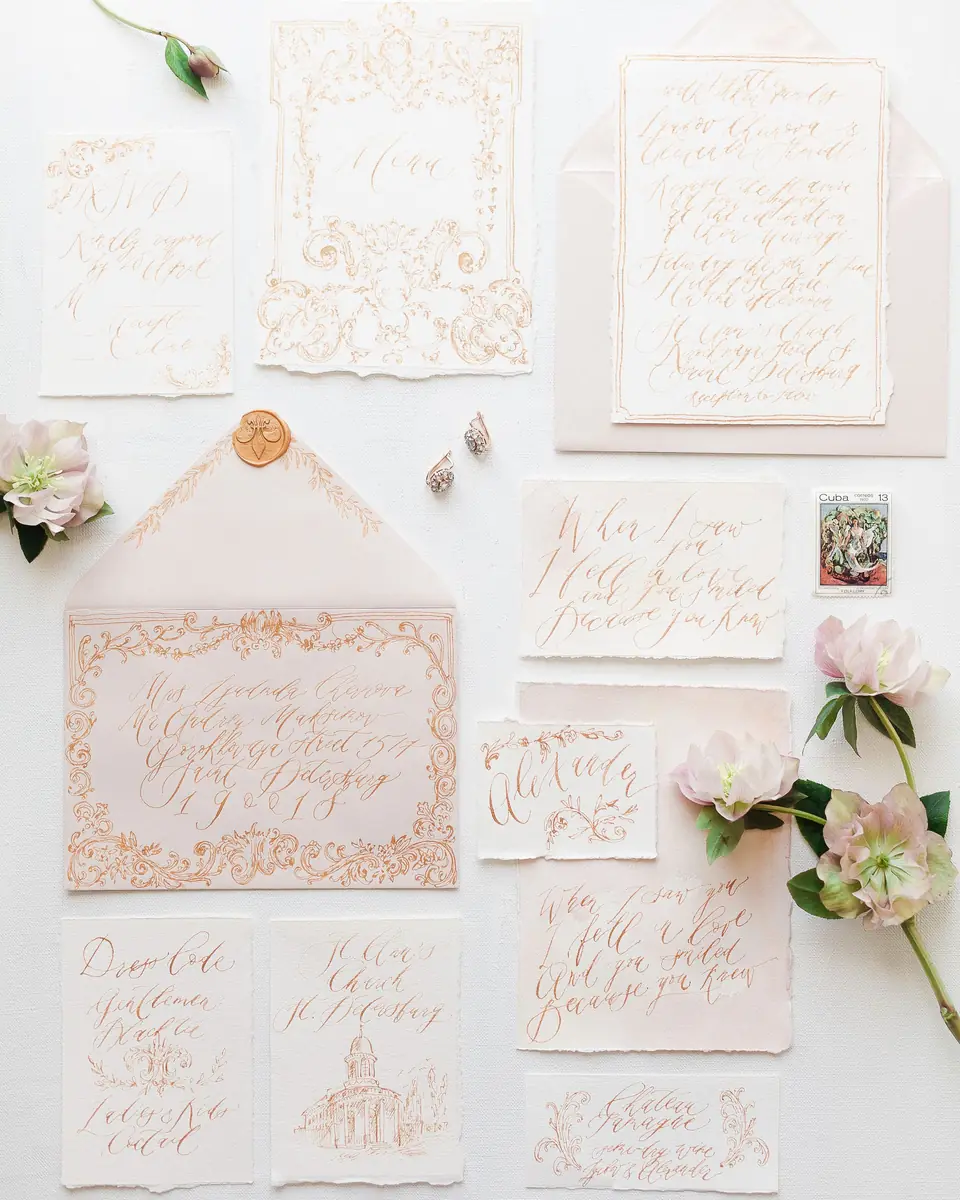
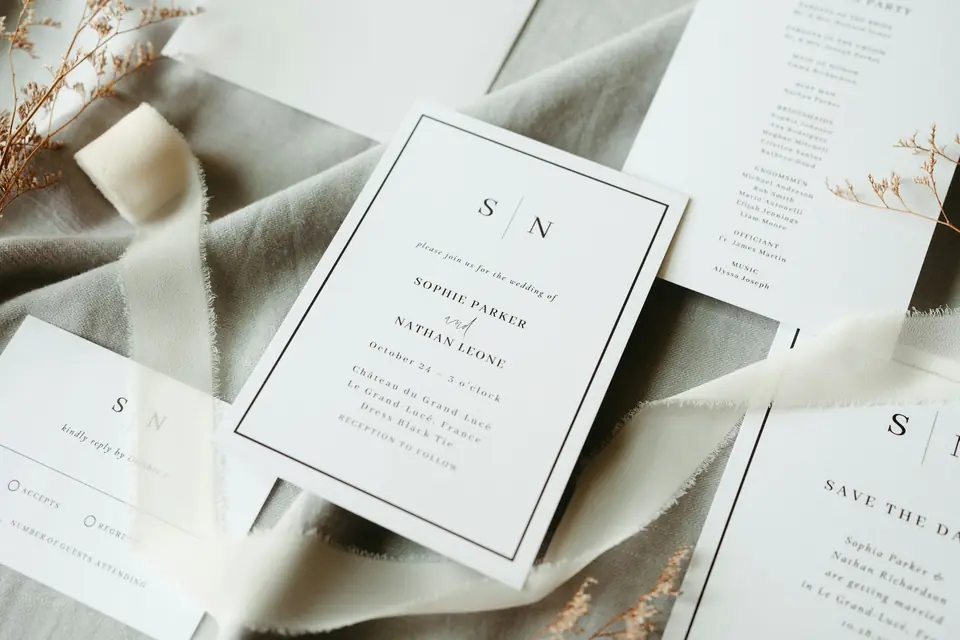
Traditional wording names the hosts first; modern wording often comes from the couple. Whichever you choose, include: the hosts or your names, date and time, venue name and city, dress code if you have one, and how to RSVP. Keep registry information off the printed invitation — put it on your website. See invitation wording examples.
RSVPs without the chasing
Give one simple way to reply (a website RSVP is easiest to track), ask for meal choices and dietary needs on the same form, and send one friendly reminder a few days before the deadline. After that, call. It is not rude to follow up; it is necessary for the caterer.
Seating that feels considered
Seat people with at least one person they know, keep divorced parents on separate but equally good tables, put older guests away from speakers and near exits, and don’t create a “singles table” unless the people on it would enjoy it. Our seating chart guide and table planner help with the math.
The guest list, step by step
The guest count calculator estimates attendance and cost from your tiers, and the invitation date calculator gives every mailing date.