




An illustrative planning story. The couple and numbers are examples, not real people or quotes — a worked method you can adapt to your own city, budget and families.
This is an illustrative example, not a real couple. Sam is a nurse working twelve-hour shifts; Alex is a teacher. They have six months, a modest budget and evenings and weekends only. Here is how a plan like theirs can work.
Month 1: Book the big three
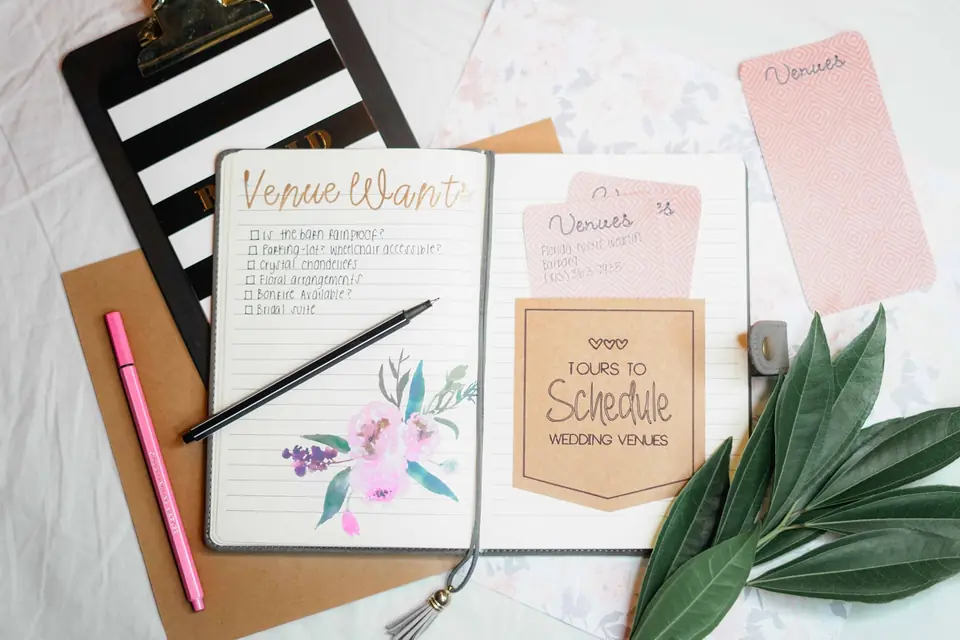
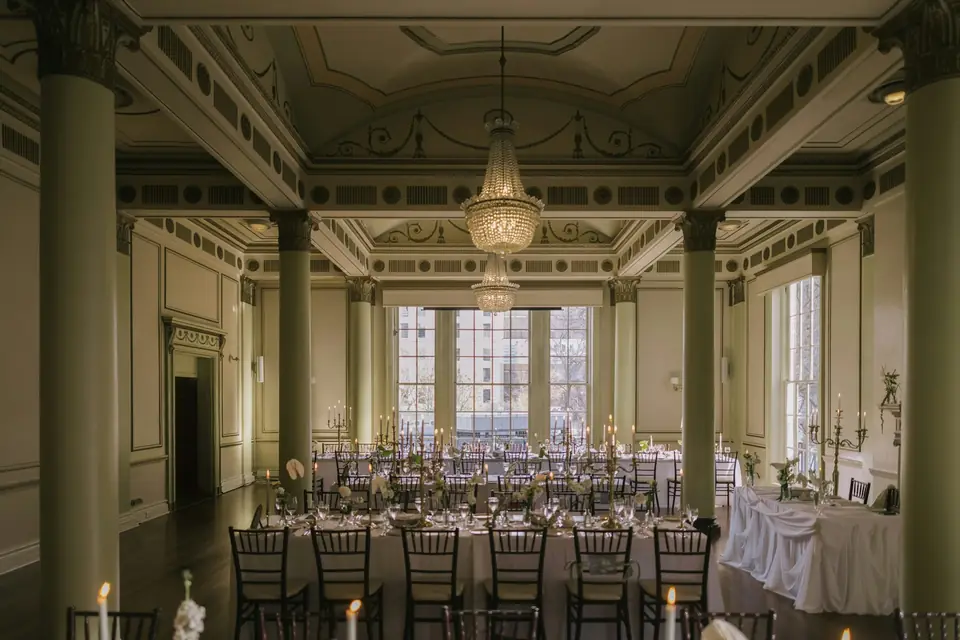
They chose a date window, not a single date, and toured four venues in two Saturdays. Venue, photographer and caterer were booked by week three. Flexibility on the date was what made it possible.
Who owns what
| Sam owns | Alex owns |
|---|---|
| Venue, catering, cake | Guest list, invitations, website |
| Photographer, music | Attire, rings, hotel block |
| Day-of coordinator | Ceremony and vows |
Owning a whole area means no one waits for permission. They check in on decisions above $500.
The weekly rhythm
Months 2–4: Details in batches
Invitations went out about eight weeks ahead (the invitation timeline works backward from the date). Attire, flowers and the cake tasting were bundled into two weekends.
Months 5–6: Hand it off
A day-of coordinator took over the timeline and vendor calls in the final month. Everything else went onto a shared checklist so family could help without asking questions.
What to take from it
Short, fixed planning time protects your evenings — and your relationship. Our planning checklist shows what matters each month.
General information, not legal, medical or financial advice. Confirm details with your vendors, venue, officiant and local authorities.
Questions people ask
Can you plan a wedding in six months while working full-time?
Yes. Book the venue, photographer and caterer early, split ownership of whole areas and keep one short weekly planning meeting.
Is a day-of coordinator worth it?
For busy couples, often yes — they take over the timeline and vendor questions in the final weeks and on the day.