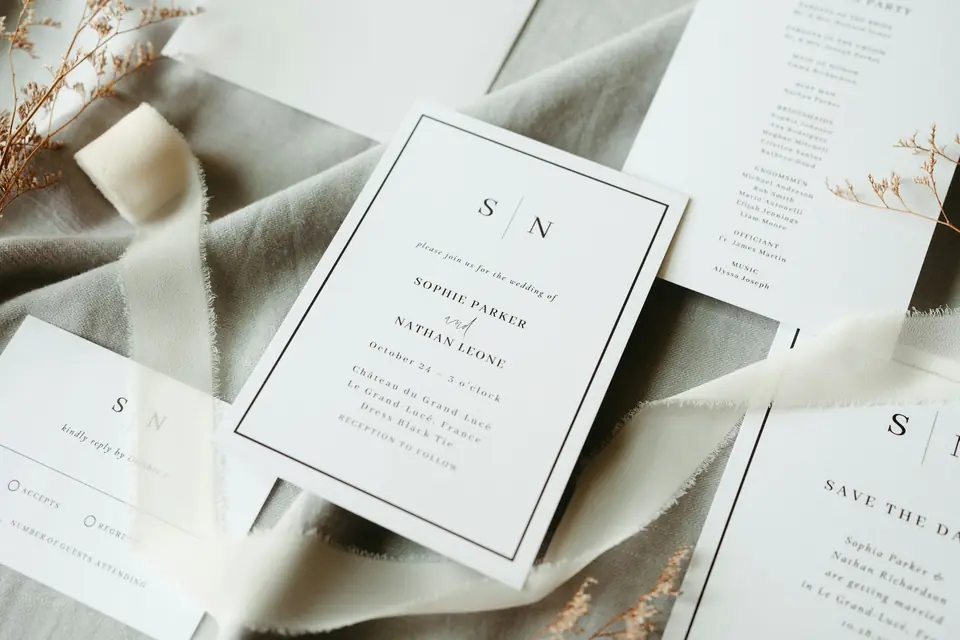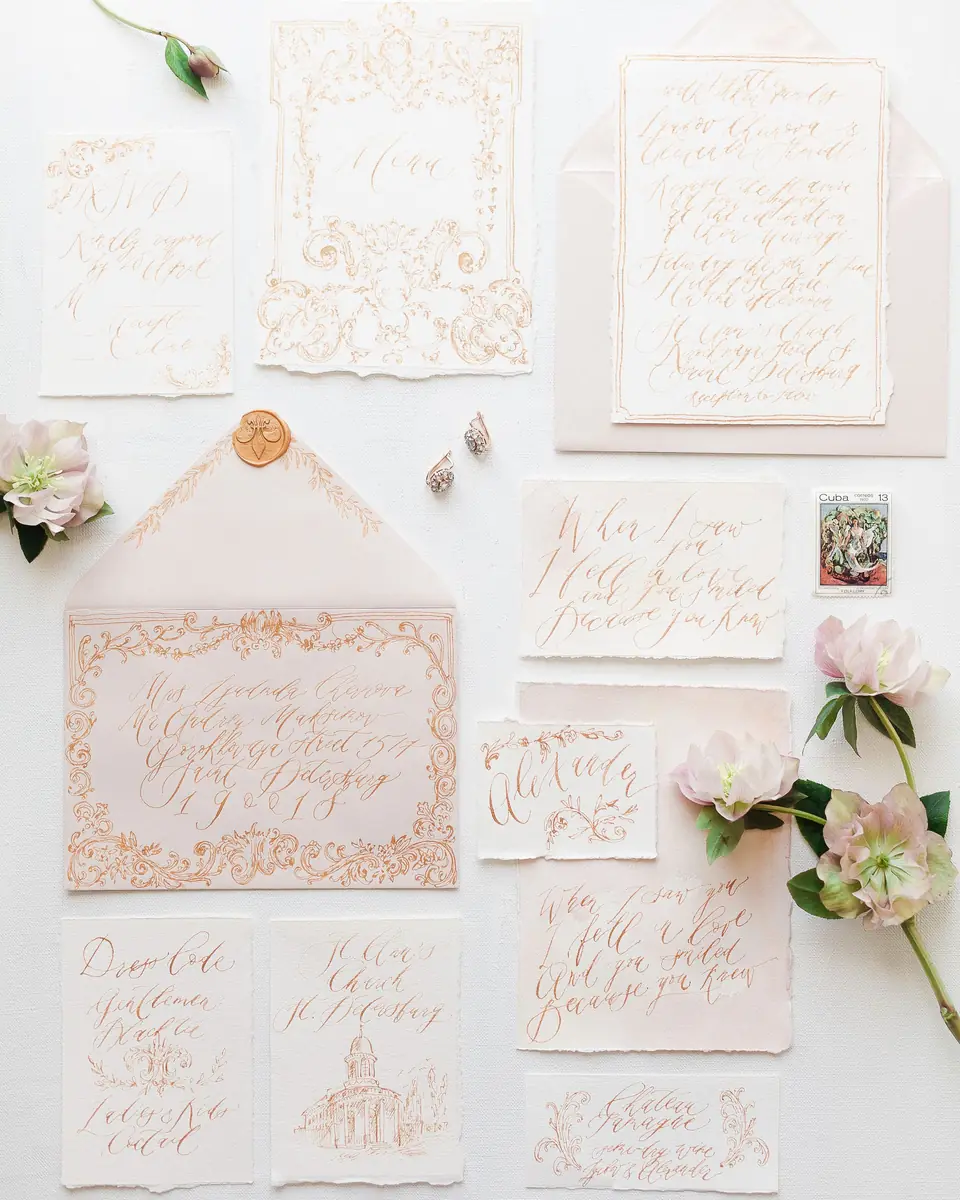




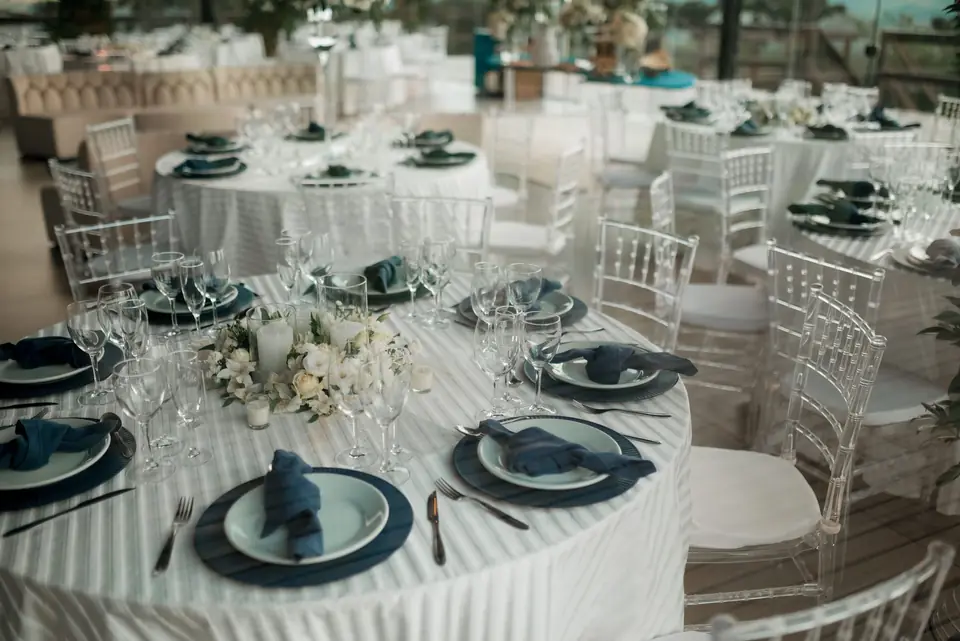
The seating chart is a puzzle with feelings attached. Start after RSVPs close, work in groups, and remember the aim: every guest sits with at least one person they know, somewhere comfortable.
Table capacities
| Table | Comfortable | Maximum |
|---|---|---|
| 48-inch round | 6 | 8 |
| 60-inch round | 8 | 10 |
| 72-inch round | 10 | 12 |
| 8-foot banquet | 8 | 10 (with ends) |
| 6-foot banquet | 6 | 8 (with ends) |
The table planner calculates how many tables you need for your guest count, shape and head table.
Step by step
- Group guests: bride’s family, groom’s family, school friends, work friends, neighbors.
- Split big groups into tables of the right size.
- Place the couple’s table (a sweetheart table or head table).
- Place family tables closest, then close friends, then everyone else.
- Put older guests near exits and restrooms, away from speakers.
- Seat guests with young children near an exit.
Divorced or separated parents
Give each parent their own table of honor with their own family and partners, at equal distance from the couple.
Who sits at the head table
- Sweetheart table: just the two of you — relaxed, and it avoids choosing who sits with you.
- Head table: the couple with the wedding party, sometimes with partners.
- Family table: the couple with parents and grandparents.
Tricky seating situations
- Exes or feuding relatives: different tables, not opposite ends of the same line of sight.
- Guests who know no one: seat them with friendly, chatty people with something in common.
- Plus-ones: always next to the guest who brought them.
- Children: with their parents, or at a kids’ table close by with an adult nearby.
- Accessibility: wheelchair space, nearby restrooms and a clear path for anyone who needs it.
Escort cards or a seating chart?
Escort cards (one per guest, showing their table) and seating displays (one sign) both work. Assign seats at each table only for formal plated dinners.
A seating timeline
| When | What |
|---|---|
| RSVP deadline | Close the list and chase missing replies |
| 2–3 weeks before | Draft tables by group; check meal choices |
| 1–2 weeks before | Final chart to the venue and caterer, with meal and dietary notes |
| The week of | Print escort cards or the seating display; bring a spare copy |
Use sticky notes on a paper floor plan, or the table planner to get the number of tables right first.
General information, not legal, medical or financial advice. Confirm details with your vendors, venue, officiant and local authorities.
Questions people ask
Do we need a seating chart?
For seated dinners over about 40 guests, yes — it stops scrambles and helps the caterer. Buffet receptions can assign tables without assigning seats.
How many people fit at a round table?
Eight comfortably at a 60-inch round, ten at a 72-inch round.
Where should parents sit at the reception?
Close to the couple, often at family tables beside the head table.
Should we have a singles table?
Most guests prefer not to be grouped by relationship status. Seat single friends with people they share interests with.
Do we assign seats or just tables?
Assign tables for most receptions. Assign exact seats only for formal plated dinners or when the caterer needs meal choices by seat.