

Many wedding traditions have origins that are older, stranger or more uncertain than you might think. Knowing the story helps you decide which to keep.
Something old, something new…
The rhyme “something old, something new, something borrowed, something blue, and a silver sixpence in her shoe” comes from 19th-century England. Old for continuity, new for the future, borrowed for borrowed happiness, and blue for faithfulness.
The white dress
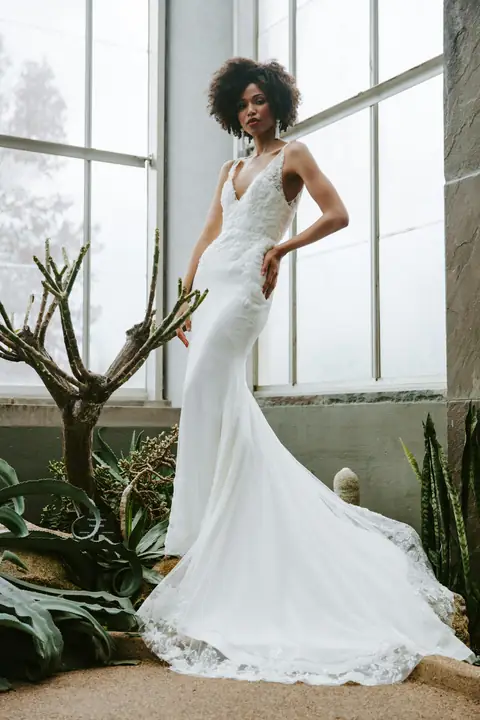
White wedding dresses became fashionable after Queen Victoria wore white lace at her 1840 wedding. Before that, many brides simply wore their best dress in any color. Today every color is fair game.
The veil
Veils have many origin stories — from Roman brides’ flame-colored veils to folklore about hiding the bride from bad luck. Today they are mostly about style and a lovely moment when it’s lifted.
The ring finger
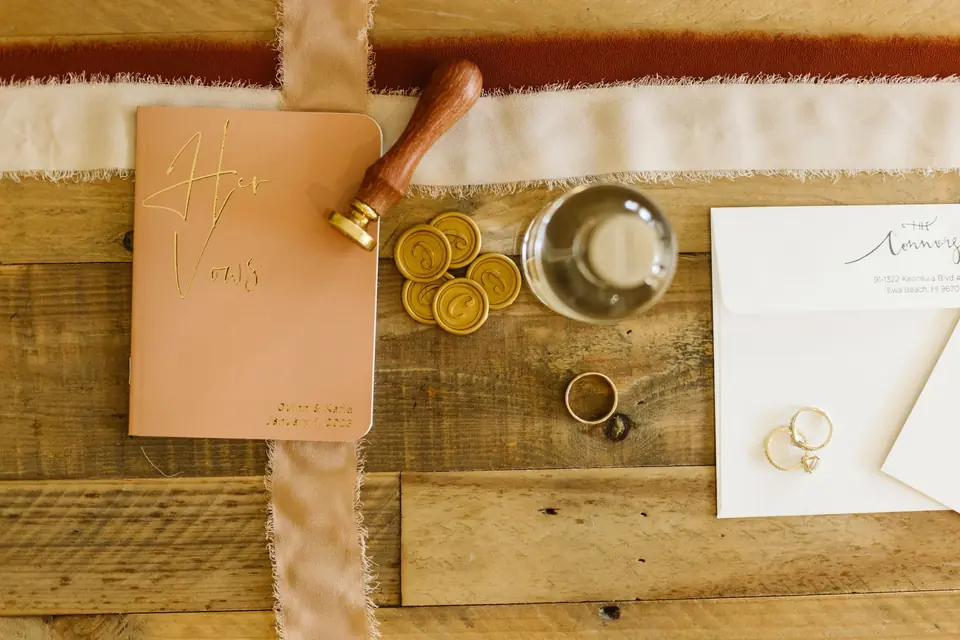
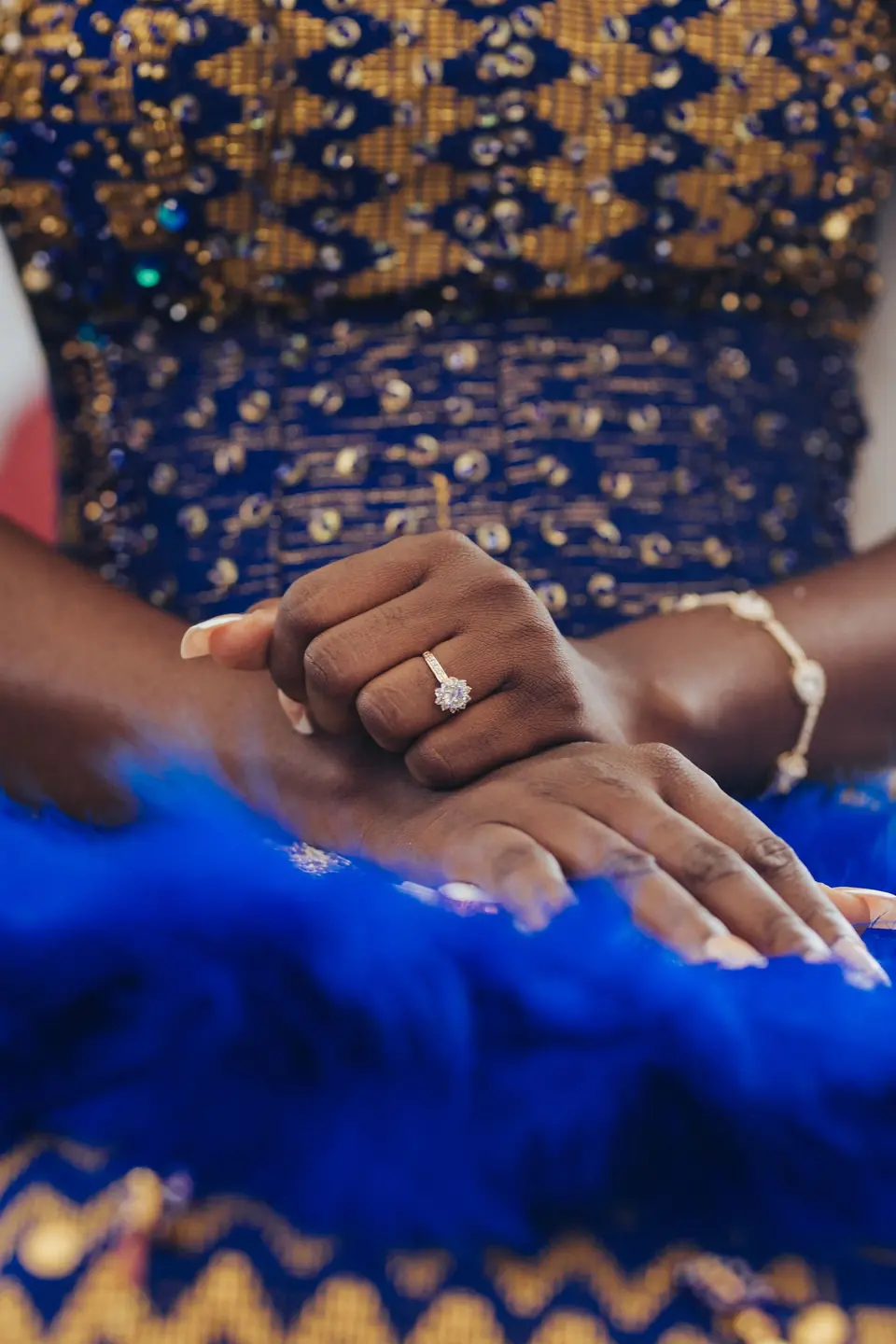
The tradition of wearing the ring on the fourth finger of the left hand is often linked to an old belief in a “vein of love” running to the heart. It isn’t anatomically true — but it is a lovely idea. Many cultures wear rings on the right hand instead.
The bride on the left
A popular story says the bride stood on the groom’s left so his sword hand was free. Whatever the truth, today it helps everyone know where to sit and stand.
Bouquet and garter toss
Both come from old folk customs about passing on good luck. Many couples now skip them, give the bouquet to the longest-married couple (an “anniversary dance”), or do something else entirely.
Jumping the broom
A tradition in many African American weddings, with roots in the weddings of enslaved people who were denied legal marriage; similar customs also appear in parts of Britain. It symbolizes sweeping away the past and starting a home together.
More traditions, briefly
| Tradition | The story behind it |
|---|---|
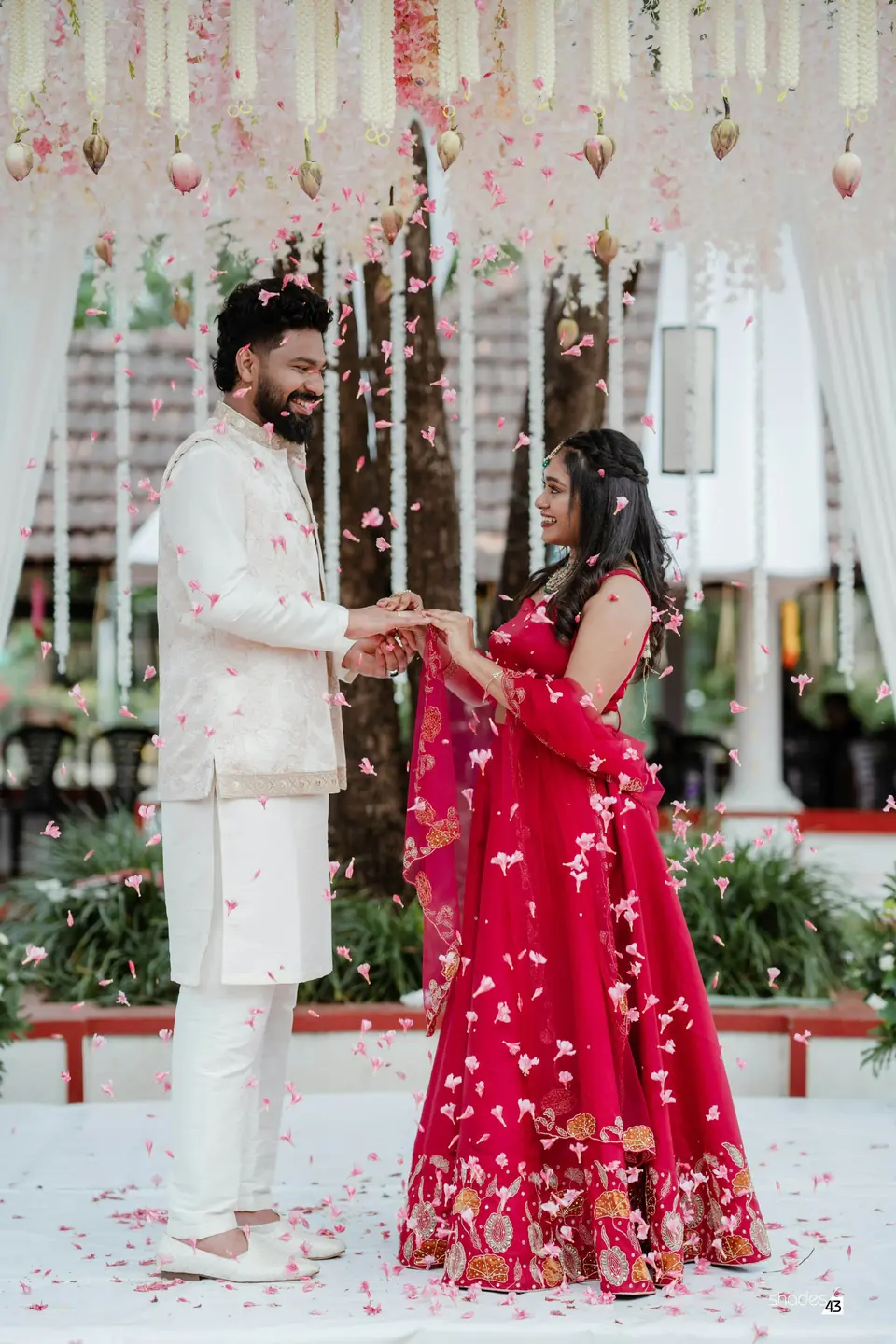
| Throwing rice or petals | Wishes for abundance and fertility; petals, bubbles or dried lavender are common now |
| Cutting the cake together | The couple’s first shared task in married life |
| Wedding favors | A thank-you to guests; sugared almonds are traditional in Italian and Greek weddings |
| Tin cans on the car | Folklore about making noise to scare away bad luck |
| Carrying over the threshold | Old folklore about protecting the bride from bad luck at the door |
Keep, adapt or skip
Keep the ones that feel like you, adapt the ones that almost do, and skip the ones that don’t. That, too, is a tradition.
General information, not legal, medical or financial advice. Confirm details with your vendors, venue, officiant and local authorities.
Questions people ask
Why do brides wear white?
White became popular after Queen Victoria’s 1840 wedding. Before then, brides often wore their best dress in any color.
What does something old, new, borrowed, blue mean?
A 19th-century English rhyme: continuity, the future, borrowed happiness and faithfulness.
Why do couples cut the wedding cake together?
It is often described as the couple’s first shared task as a married pair, and a way to thank guests by sharing food.
Why are wedding favors given?
As a thank-you to guests. In Italian and Greek weddings, sugared almonds are a traditional favor.