

South Asian weddings are often several days of celebration, with events that vary by country, region, religion and family. This is a friendly overview for couples planning one and guests attending their first. Every family does things their own way — when in doubt, ask.
Before the wedding
Dholki (common in Pakistani weddings): evenings of songs, drumming (on the dholak) and dancing at home, sometimes for days or weeks before.
Haldi / Mayun / Ubtan: a turmeric paste is applied to the bride (and often the groom) by family for luck and glow. Guests usually wear yellow, and clothes may get stained.
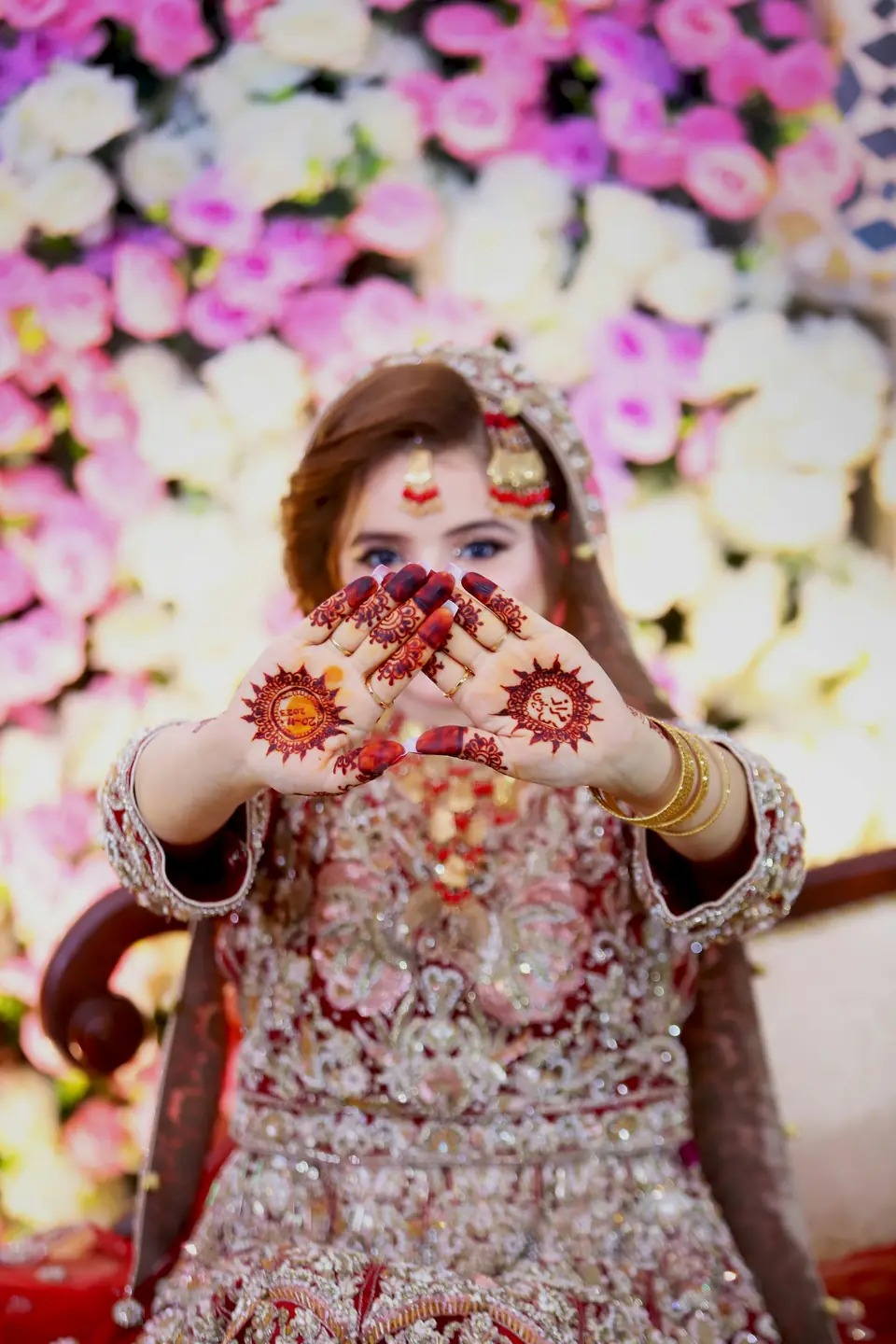
Mehndi: henna is applied to the bride’s hands and feet, often in intricate designs, with music, food and dancing. Guests may have henna too.
Sangeet: a musical evening with performances by family and friends, especially in Indian weddings.
The wedding day
Baraat: the groom arrives with a joyful procession of family and friends, often with a dhol drummer — sometimes on a horse or in a car.
The ceremony: varies by faith.
- Hindu: the couple exchange garlands (jaimala), the bride’s parents give her away (kanyadaan), and the couple walk around a sacred fire (the pheras, with the seven steps of saptapadi).
- Muslim: the nikah is the marriage contract, with consent from both, witnesses and the mahr (a gift to the bride).
- Sikh: the anand karaj, in which the couple walk around the Guru Granth Sahib four times (the laavan).
Rukhsati / Vidaai: the bride’s emotional farewell to her family.
After the wedding
Walima (Muslim weddings): a reception hosted by the groom’s family after the marriage. Reception: a party with dinner and dancing, often with the most guests.
A typical schedule
Every family does it differently, but a three-day celebration might look like this:
| Day | Events |
|---|---|
| Day 1 | Haldi or mayun in the morning; mehndi in the evening |
| Day 2 | Sangeet or dholki night |
| Day 3 | Baraat, ceremony and reception, or ceremony with the walima the next day |
For guests
For couples blending cultures
Choose which events to host, explain each on your website for guests unfamiliar with them, and consider a program at the ceremony. Our guide to blending wedding traditions helps.
Planning tips for couples
- Book specialists early: mehndi artists, dhol players and caterers who cook for large numbers are in high demand.
- Allow time for outfits: custom lehengas, sherwanis and saris can take months, plus shipping and fittings.
- Ask venues about rules: open flames for a Hindu ceremony, a horse for the baraat, amplified music and late finishes.
- Plan food for the crowd: guest lists are often larger than at other weddings, and generous food is part of the welcome.
- Explain it for guests: a short guide on your website or a printed program helps everyone join in.
General information, not legal, medical or financial advice. Confirm details with your vendors, venue, officiant and local authorities.
Questions people ask
What do you wear to a mehndi?
Bright, festive clothing — yellows, greens, pinks and oranges are popular. Avoid white.
What is the difference between a nikah and a walima?
The nikah is the Islamic marriage ceremony and contract; the walima is a celebratory reception hosted by the groom’s family afterward.
How long is an Indian wedding?
Often two to four days of events, though many couples now host fewer.
Can non-South Asian guests wear traditional clothes?
Usually yes — hosts are often delighted. Choose respectful, festive styles, and ask the couple if you’re unsure.
How much cash should you give at a South Asian wedding?
It depends on your relationship and local custom. Give what you are comfortable with; in many Indian families amounts ending in 1 are considered lucky.